The Paradox of Change Management
Save time and Resources: Build Readiness
(excerpt from Launch Lead Live: The Executive’s Guide to Preventing Resistance and Succeeding with Organizational Change)
Time is an issue in every organization. Initially, if you are used to working from a resistance perspective, it can feel like it takes longer to get people ready. It doesn’t. Consider the time and energy you must spend trying to enforce compliance when you use the traditional “resistance” approach.
By focusing on building readiness instead of managing resistance, and emphasizing the needs of the change-recipients, you can actually make better use of your time and resources. You can also get a greater return on your investment.
The traditional approach to organizational change (figure 1) looks to move quickly to training and implementation.
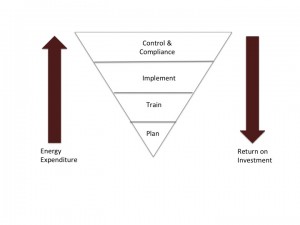
Figure 1 Common Approach to Organizational Change
Turner Change Management Inc.
It tries to minimize the amount of time spent in the early period; the majority of the effort is at the back end of the change. This approach gives the appearance of saving time, but it top loads issues so that they emerge right around the time of implementation– when time and resources are at a premium.
You expend more energy and resources, but the return on that energy decreases as people move through the Whitespace. It’s like heating your house in the winter while leaving the all the windows open.
This kind of back-end approach forces you to manage the resistance created when the change-recipients are pushed into taking action before they are ready. The approach gives the perception of speed, while actually taking more time. I call this the paradox of change management.
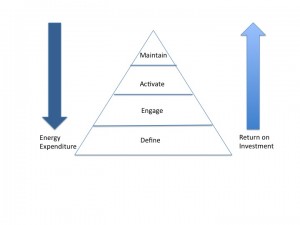
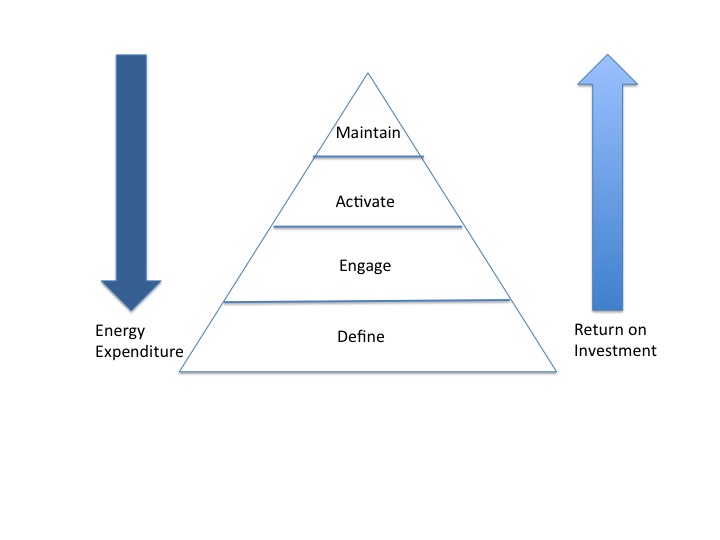
Figure 2 Change-Recipient Readiness Approach
Building readiness shifts the effort to the front end of the Event. Time is allocated to ensure the change-recipients can internalize the need, raise perceived capability, prepare, and support people through the transition. The change is built on a stable foundation. This results in a more sustainable change (Figure 2).
 https://thinktransition.com/wp-content/uploads/Strategic-plans-turning-goals-into-meaningful-change.png
1080
1920
Tricia Heibert
https://thinktransition.com/wp-content/uploads/Turner-Change-Management-logo-1.jpg
Tricia Heibert2026-10-08 08:00:072026-09-21 10:16:10Strategic Plans: Turning Goals into Meaningful Change
https://thinktransition.com/wp-content/uploads/Strategic-plans-turning-goals-into-meaningful-change.png
1080
1920
Tricia Heibert
https://thinktransition.com/wp-content/uploads/Turner-Change-Management-logo-1.jpg
Tricia Heibert2026-10-08 08:00:072026-09-21 10:16:10Strategic Plans: Turning Goals into Meaningful Change https://thinktransition.com/wp-content/uploads/Why-pushback-isnt-resistance-to-change.png
1080
1920
Tricia Heibert
https://thinktransition.com/wp-content/uploads/Turner-Change-Management-logo-1.jpg
Tricia Heibert2026-10-01 08:00:482026-09-21 10:13:56Why Pushback Isn’t Resistance
https://thinktransition.com/wp-content/uploads/Why-pushback-isnt-resistance-to-change.png
1080
1920
Tricia Heibert
https://thinktransition.com/wp-content/uploads/Turner-Change-Management-logo-1.jpg
Tricia Heibert2026-10-01 08:00:482026-09-21 10:13:56Why Pushback Isn’t Resistance https://thinktransition.com/wp-content/uploads/3-steps-tp-prepare-your-leaders-to-champion-change-.png
1080
1920
Tricia Heibert
https://thinktransition.com/wp-content/uploads/Turner-Change-Management-logo-1.jpg
Tricia Heibert2026-09-24 08:00:092026-09-21 10:10:42Three Steps to Prepare Leaders To Champion Change
https://thinktransition.com/wp-content/uploads/3-steps-tp-prepare-your-leaders-to-champion-change-.png
1080
1920
Tricia Heibert
https://thinktransition.com/wp-content/uploads/Turner-Change-Management-logo-1.jpg
Tricia Heibert2026-09-24 08:00:092026-09-21 10:10:42Three Steps to Prepare Leaders To Champion Change



Leave a Reply
Want to join the discussion?Feel free to contribute!